

可靠的细胞裂解始于温度控制:针对敏感样品的聚焦超声细胞破坏器
2026-01-12为什么超声波加热会影响结果
当超声波失焦时,热量会成为不受欢迎的共试剂。空化会产生微观热点,迅速升高温度、变性蛋白质、加速核酸酶和蛋白酶,并导致DNA断裂。这导致酶性能漂移、片段大小分布变化以及批次间产量变异。聚焦超声细胞破坏器技术限制空化并限制热应力,保持结果的一致性。即使平均浴温看起来可接受,样品管内的热梯度也可能足够大,导致结果失真。
即使周围的浴看起来很凉,管内的瞬态温度峰值也可能:
• 变性热敏感蛋白
•激活蛋白酶和核酸酶
• 偏置DNA或染色质完整性
•降低运行间的重复性
这些热伪影会向下游传播。在下一代测序(NGS)中,轻微的碎片偏差可能导致气相色谱含量偏倚增加、重复率提高以及有效文库复杂度降低。在蛋白质组学中,热应激可能有利于丰富且热稳定的蛋白质,同时减少低丰度或热敏感靶点的丰度。然而,在FFPE工作流程中,过高温度会加剧交联反转变异,导致碎片水平超过最佳范围。行业长期以来通过冰浴、间歇脉冲和试错定时来补偿——这些措施降低了通量,但无法保证样品芯的等温控制。
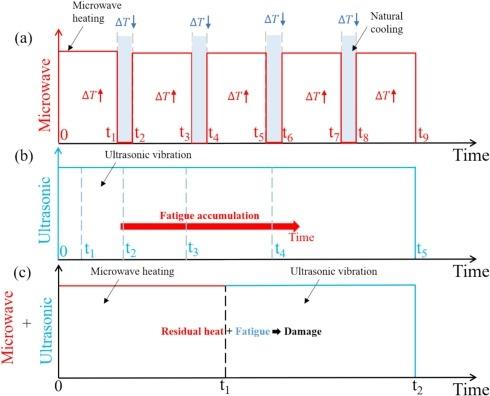
(克服花岗岩热衰减历史:
超声疲劳与残余热的协同应用 - ScienceDirect)
什么 一个 聚焦超声细胞干扰器
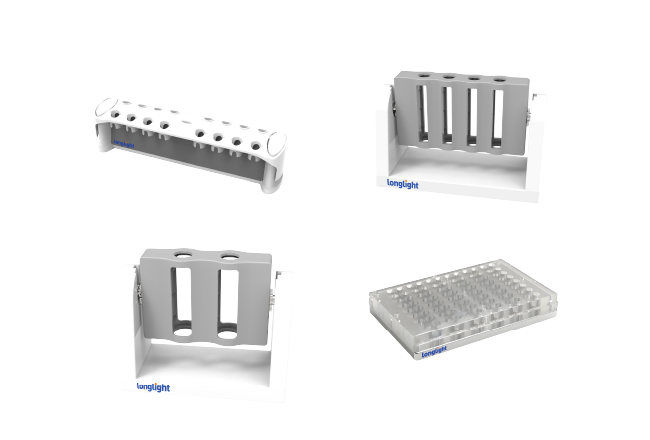
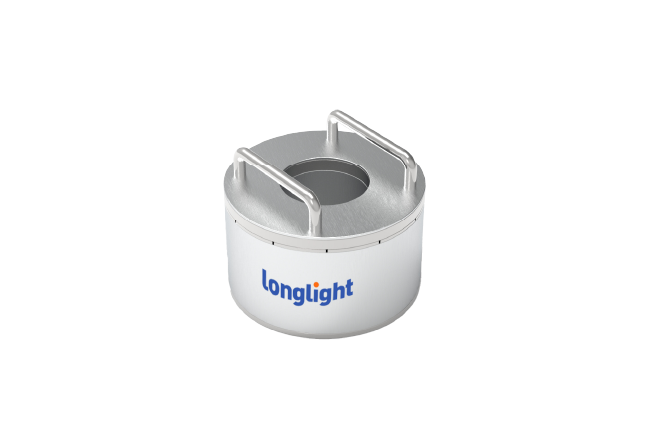
聚焦超声波干扰器将高频短波声学能量集中到与样品位置相匹配的聚焦声区,而不是无差别地给整个罐子或金属探针头通电。能量传递为非接触式:声波通过受控介质耦合到密封的样品容器中。该架构避免了探针的直接接触,最大限度地减少气溶胶化和交叉污染风险,同时精确控制空穴发生的方式和地点。
在Longlight Technology,我们将声学路径、样品容器接口和反馈控制环路设计为一个集成系统。高灵敏度温度感测与控制模块持续监控实际样品区——而不仅仅是浴区——并实时调整功率,以维持真正的低温恒温状态。由于焦点几何结构稳定,声学暴露在跨音程和乐器间高度可重复。其结果是均匀的破坏、可预测的DNA或染色质剪切,以及在等温、非接触环境中保持分子完整性的均匀化。
- 如何聚焦能量 一个nd 真低-温度控制工作?
•共焦点聚焦:短波超声在声学上精确聚焦,集中样品中的能量,同时最小化偏离目标损耗。
• 等温环境:该工艺在受控的水介质内运行;热提取是即时的,防止了空化前沿的热峰值。
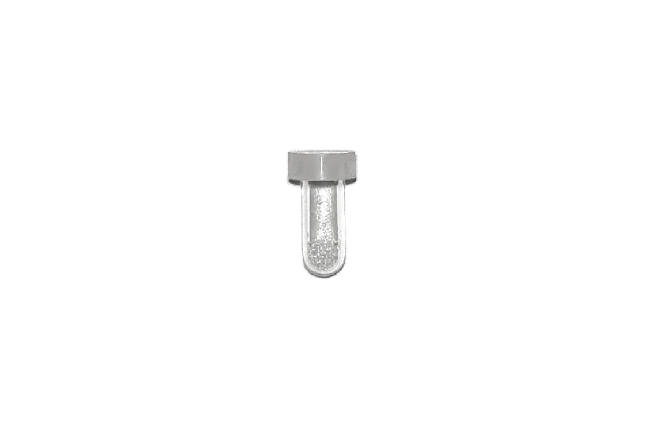
•封闭管处理:样品保持密封;无探针插入意味着污染风险较低,也没有金属微碎屑。
•实时反馈:温度和功率反馈稳定工艺条件,将历史上的模拟工艺转变为数字化、可追溯的工艺。
证据来自 t他 一个ND 国际研究
聚焦超声波已被广泛应用于分子生物学和样品制备工作流中,这些工作对温度稳定性和可重复性至关重要,包括DNA剪切、染色质制备以及蛋白质组学中的温和细胞裂解。
• Meyer和Kircher(Nature Protocols,2010)解释了Illumina文库构建,该库采用聚焦超声波技术实现精确DNA剪切,生成紧密插入片段以实现多重测序,并减少热偏置,同时不牺牲文库复杂性。
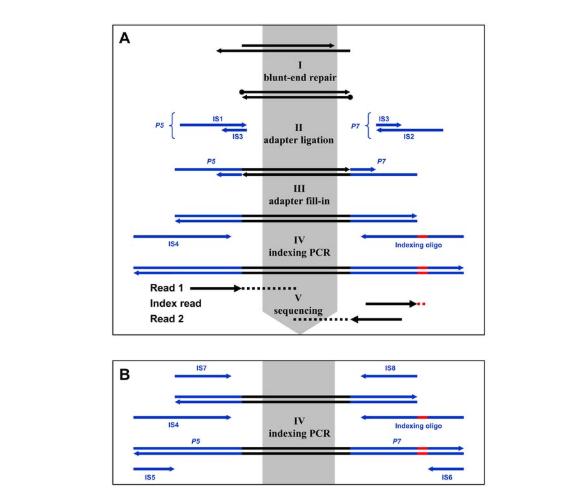
(迈耶和柯彻(《自然协议》,2010年))
• Landt 等人(Genome Research,2012)通过 ENCODE/modENCODE ChIP-seq 指导,强调受控超声处理(包括聚焦方式)以实现可重复的染色质断裂,推动标准化能量输入和细致温度调节以保护抗体特异性信号。
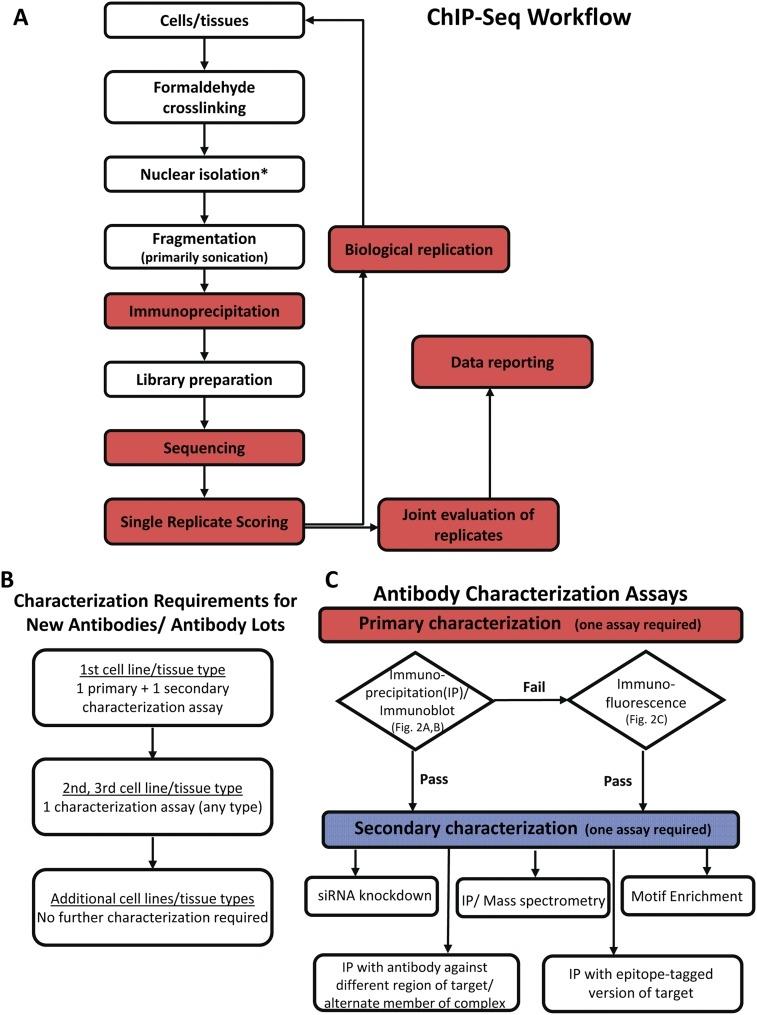
(Landt 等人(Genome Research,2012))
• Van Dijk、Jaszczyszyn和Thermès(《遗传学趋势》,2014)回顾了NGS库的构建,指出聚焦超声波作为物理断片方法,能产生更窄的尺寸分布,并抑制序列偏倚,相较于非受控方法,尤其是在GC富或降解输入时。
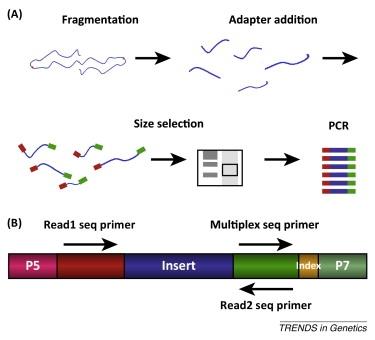
(范戴克、雅什奇申和特尔梅斯(《遗传学趋势》,2014年))
在基因组学、蛋白质组学和FFPE处理中,传递的信息一致:尽量减少热暴露,将声能限制在焦点区,以提高重复性,精炼片段剖面,增强复制一致性。这些结果验证了聚焦超声单元破坏器的核心原理:热约束是数据完整性的决定因素。
- 国家地理学会 一个nd 染色质剪切基准
•紧密的片段分布减少了尺寸选择损失并提升文库产率。
• 较低的热漂移保持了气相色谱平衡并降低了复制率。
• 可重复的染色质片段增强峰值呼叫和跨位点可比性。
Longlight科技内部'解决方案
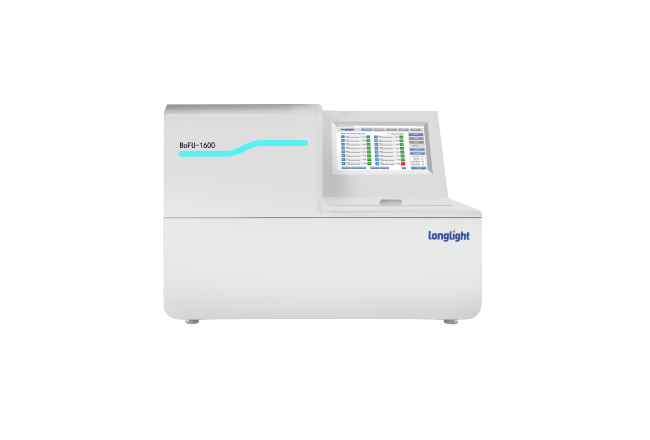
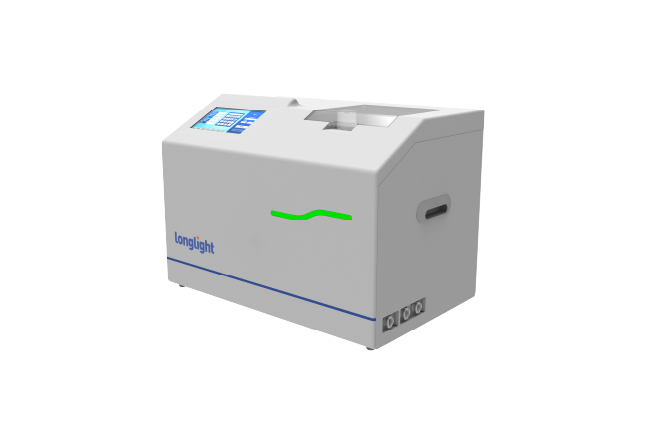
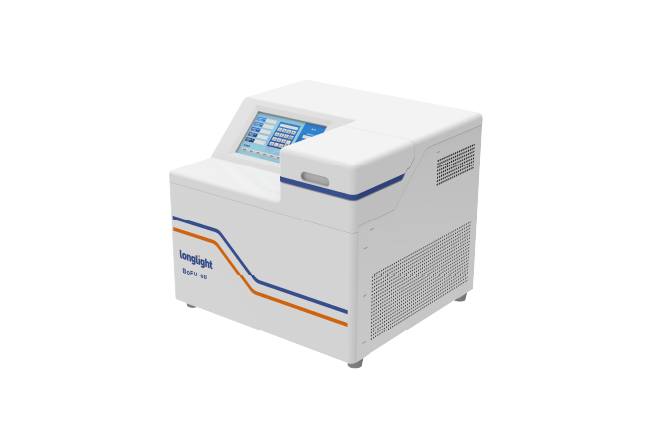
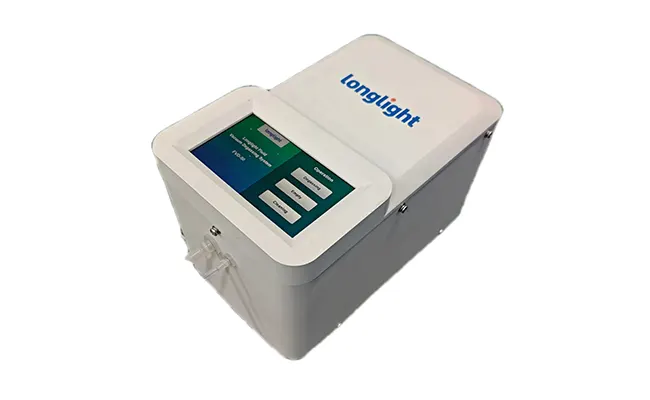
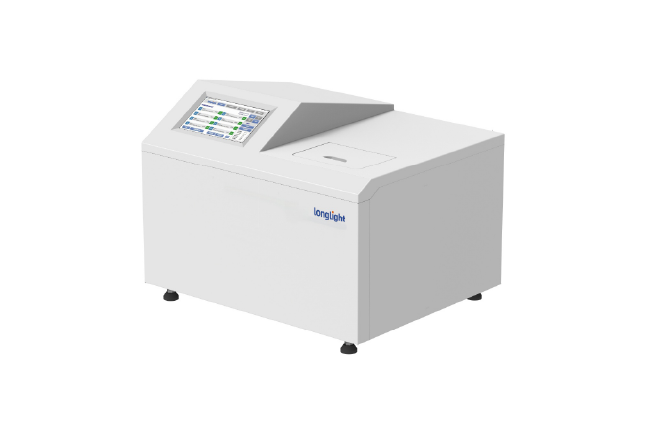
朗莱特科技建造了 桌面,多平台-通道聚焦超声细胞破坏器 让实验室每一个实验台都能接触到等温、非接触式声学——无需外部声音箱或外部计算机。该平台支持八个样本位置,并允许从1个样本到8个样本进行自由处理,当你的队列异质时,每个试管都能独立处理条件,当你的样本数量一致时,则实现一键批处理模式。
• 灵活通量:处理1至8个样本,针对复杂队列进行独立定制的声学暴露,或对一批相似样本输入一次参数以提升效率。
•设计上安静:设计的声学路径和内部阻尼实现了无辅助声罩的安静运行,便于在公共实验室中部署。
•非接触式处理:能量通过耦合介质集中到密封容器中——无探针接触——降低污染风险并保护敏感材料。
• 真正的低温恒温控制:高分辨率感测和闭环控制保持样品区设定点,中和工艺热量,保护易热分析物。
• 可追溯记录:会话元数据可随时记录和访问,以支持审计、SOP合规和数据驱动优化。
• 自动排水:单次水位排放,智能水位检测和早期警报,防止溢流,保持工作表面清洁。
• 内置作系统:无需外部计算机即可作,缩小系统占用并简化验证。
• 内置作系统:无需外接电脑,减少占用并简化IT验证。
在声学核心,我们的共聚焦几何将功率集中在容器内部,限制能量损失并增强复现性。通过将操作员从手动计时和主观“外观与感觉”决策中移除,系统提升了操作员、班次和工地之间的标准化。它在DNA剪切中尤为强劲,用于NGS,因为插入片尺寸均匀,直接影响测序效率和成本控制;在染色质剪切中尤为强效,因为抗体特异性信号可能被过度或不足的断片掩盖。
常见 一个被忽视的知识 t帽子解决了痛点
•温度为局部:浴温并非样品温度。控制中心必须参考样品区,以防止隐藏的热梯度。
• 空化具有特征性:聚焦系统产生一致的气泡动力学;不稳定探针系统则不然。一致性转化为可重复的片段分布。
• 污染是累积性的:消除探针接触可避免残留物和金属颗粒逐渐积累,避免干扰如MALDI-TOF多发质硬化症等敏感检测方法。
•日志重要:可追溯的声学暴露和温度曲线加速故障排除,并支持可辩护且符合监管的文档。
来自痛点 to 收益:应用 一个ND结果
许多实验室容忍变异性,因为传统工具看起来“足够好”。累计成本——失败运行、重复和不确定结论——超过了预期的节省。聚焦超声单元破坏器通过结合声学精确度、热学规范和操作简便性,重新构建了这一计算体系。
基因组学与天然神经系统:受控剪切可产生偏倚最小的狭窄片段分布,提高簇密度,减少接头二聚体形成,增强文库的有效多样性。对于富含GC基因组或降解的DNA,真正的低温控制在断裂过程中保持完整性。
蛋白质组学与细胞生物学:非接触破坏保留了对瞬态加热敏感的原生蛋白质构象和翻译后修饰。结果是低丰度蛋白的检测得到更好,定量谱更为准确。
染色质与表观基因组学:可重复的染色质片段长度增强峰值分辨率并减少运行间变异性。温度稳定在裂解过程中保护蛋白质-DNA复合物,防止过度剪切和表位丧失。
MALDI-TOF质谱鉴定:对于丝状真菌和分枝杆菌,聚焦的非接触能量加速细胞壁破坏,同时减少探针污染,提高光谱清晰度和病原体识别信心。
FFPE脱石蜡与提取:聚焦声学辅助石蜡去除和交联管理,在严格调节温度下提升核酸和蛋白质回收率,同时避免过度碎裂。
卓越运营:八管容量支持每样本控制或批量执行,使团队能够在定制协议和高通量流水线之间切换。安静的音响效果和自成一体的作系统简化了在拥挤空间中的选址。自动排水和可搜索、可追溯的记录修剪手工工作并支持质量框架。
叫声-t或-行动
如果你的团队正在进行NGS、蛋白质组学或临床样本准备的扩展,不要让超声波加热决定你的数据。请联系Longlight Technology,索取我们的聚焦超声波干扰器演示,审核检测的应用说明,并在您自己的工作流程中评估真正的低温控制效果。我们的专家将为您当前的痛点映射到经过验证的声学方法,帮助您标准化结果并加快洞察时间。
